
The geographical distance between Wuhan and eastern Ukraine, and the temporal distance between March 2020, when the pandemic was declared, and February 2022, when the Russian invasion began, may seem vast, but our world has become dangerously fluid. Relationships and affinities that under normal circumstances would remain invisible acquire such specific weight that they are catapulted to the center, emptying the naive certainties and comforting “truths” of the recent past of their content. Indeed, how many of us, two years ago, were aware that biological warfare—or even worse, undeclared and invisible biological warfare—is an absolutely real threat? The closest analogy was that of nuclear war, but no worries! Nuclear weapons are “old news,” relics of the Cold War and the previous century. But here’s the question: has the war machine remained shackled to the technology of the doomsday scenario, and have the agents of doom sat idle for three decades?
Two points highlighted by the pandemic concern us for the purposes of this text. The first is that illness has alienated the natural human condition, and our bodies have become a battlefield of the Fourth Industrial Revolution, with rival technological forces vying for dominance. Health no longer exists; there is only varying degrees of sickness, depending on the nature of each health threat and the engineered inadequacy of our natural bodily response to it. Our bodies no longer belong to us; the biotechnological apparatus has already begun the rapid process of colonizing them.
For the second point, we need to go back, before the declaration of the pandemic, when Sars-Cov-2 was still a “Chinese affair.” The first reactions of the Western world to news of a new virus and an unprecedented epidemic hitting China were those of mockery, deliberate alarmism, and implicit or even overt anti-Chinese racism. China had lost control, was opening crematoriums, and imposing Orwellian control conditions; these were the attitudes until the virus landed in Milan. The sequel, however, proved that these reactions concealed a generalized anxiety, as well as envy on the part of the West that it could not even remotely approach the Chinese model. While the West was making airy calculations that this would be yet another “humanitarian tragedy” to hit the periphery and the Third World, and was donning a savior costume designing “humanitarian interventions,” China was unveiling its arsenal and putting on a display of technologies, organization, capabilities, and effectiveness. When the West subsequently adopted the doctrine of “war against the coronavirus,” it should have managed in a short time what China had been preparing for technologically and socially for years. This, moreover, explains to some degree the draconian measures in the early stages of the pandemic, when one Western country after another began engaging in competitive harshness.
But the pandemic and the state of emergency could not conceal the undeniable fact. That the biotechnological restructuring may now be running at express speed, but it did not carry everyone along in the same uniform way; some were left behind and ran with anklets to cover the lost ground. In conditions of sharpened intercapitalist competition, which increasingly takes on the character of a world war, the concrete proof that one camp has been undermined, and moreover in a field, that of biotechnological restructuring, which it considered privileged as its own, is the key that can open the gates of hell. Because the camp that loses ground will not hesitate to resort to the most destructive means, and the example of the pandemic can exert a morbid fascination for the kind that such means might be.
Biological weapons are nothing new; they have a systematic history dating back to WWI. But biotechnological restructuring has completely changed the framework within which their use can occur. The example is no longer the trenches suffocated by mustard gas or the uncontrolled spread of the plague, but genetic engineering and biological design. If in the past, the use of biological weapons carried the risk of uncontrolled consequences that would hit both the attacker and the attacked equally, today, thanks to biotechnologies, this risk has been reduced. For an army that designs and develops such weapons, designed pathogenic factors, there are two advantages. First, they act invisibly and silently, unbeknownst to the enemy and without the noise of classical warfare. And second, they act in a targeted and scalable manner, reducing the risk of boomerang effects and allowing long-term planning.
But which army today is being undermined in one field after another and is eager to cover lost ground and guarantee the continuation of its historical hegemony?
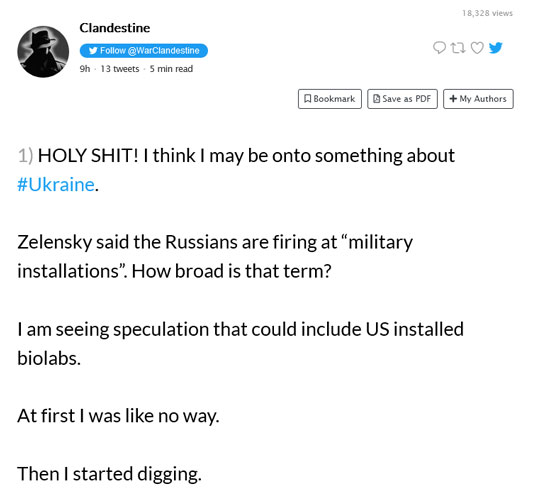
The first reference in the western cyber sphere to American biological warfare laboratories in Ukraine was made on the very first day of the Russian invasion, on February 24, by @ClandestineNot. It is not necessary to mention that his Twitter account, under conditions of suffocating control and censorship, lasted only one day before disappearing, fortunately not before several people managed to photographically preserve the publication.
«Holy shit! I think I’ve found something related to Ukraine. Zelensky said that the Russians are hitting “military facilities.” How broad is this term? I see speculation that it may include American bio-labs. At first I thought there’s no way. Then I started searching…»
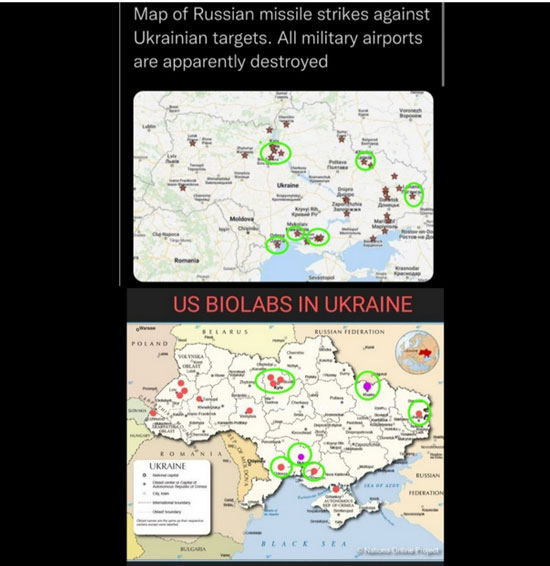
The thread by @ClandestineNot continued by presenting a series of elements and concluded with two maps on which laboratories were marked in combination with Russian strikes. The coincidence was more than reasonable. “Here is the overlap of the reported missile strikes and the locations of bio-labs… It seems certain that Putin is targeting cities and locations with American bio-laboratories. He is 100% hunting for potential biological weapons.”
The first official Russian statement on the matter was made on March 8 by the Ministry of Foreign Affairs:
We confirm that, during the special military operation in Ukraine, it was discovered that the Kiev regime was concealing traces of a military biological program implemented with funding from the US Department of Defense.
Documents have been found concerning the urgent elimination of extremely dangerous pathogenic microorganisms of plague, anthrax, rabbit fever, cholera and other deadly diseases on February 24 by Ukrainian bio-laboratory staff. These documents included a directive from the Ukrainian Ministry of Health regarding the urgent elimination of stored stocks of extremely dangerous pathogenic microorganisms that was sent to all laboratories…
At this point, we can conclude that biological weapon components were being developed in Ukrainian laboratories in direct proximity to Russian territory. The urgent elimination of the extremely dangerous pathogenic microorganisms on February 24 was ordered to avoid the exposure of violations of Article I of the Convention on Biological and Toxin Weapons (BTWC) by Ukraine and the United States. This information proves that our repeatedly stated claims, within the framework of the BTWC, regarding the military biological activities of the United States and its allies in the post-Soviet space were justified.
The western public opinion had already had two years of docile compliance with the dictates of the “war against the coronavirus” and the inability to question the official line, as well as the recent alignment with the tragic glorification of the “right side of history.” Therefore, the issue of biological warfare laboratories in Ukraine was easy to address: disinformation campaign, conspiracy theory, Russian trickery. With such an audience, the US believed they would easily get away with announcements of the big mouth strikes again level. On March 9, Jen Psaki, White House spokesperson, wrote on her official twitter account:
We have noted Russia’s false claims regarding the alleged biological weapons laboratories of the United States and the development of chemical weapons in Ukraine. We have also seen Chinese officials echo these conspiracy theories. This is outrageous. It is the kind of disinformation operation that we have repeatedly seen from the Russians over the past years in Ukraine and in other countries, which have been debunked, and it is an example of the types of false pretexts that we warned the Russians would invent.
For fundamentalists of the “correct side,” such an answer might be considered sufficient or even overwhelming, but a complex bureaucracy like the American one has many speaking heads, and sometimes one can undermine the answers of another. Victoria “fuck the EU” Nuland is not uninvolved in Ukrainian issues. Today she is deputy secretary of state, but during 2013-14 she was assistant secretary of state for European affairs under Obama and was the person who organized (together with the then American ambassador to Kiev, Pyatt) support for Ukrainian fascists, the far-right appropriation of mobilizations in Maidan Square, and all the subsequent events that led to the seizure of power by a fascist state within a state. She is therefore by definition an “expert.” On March 8, even though the official Russian position had already been released, Nuland had been called to testify before a congressional committee. There, a senator asked her about chemical or biological weapons, obviously expecting a categorical denial from her, but Nuland left him somewhat hanging.
Question: Does Ukraine have chemical or biological weapons;
Answer: Ukraine has biological research facilities that we are actually concerned about, lest Russian forces might seek to gain control of them. That’s why we are working with the Ukrainians on how to prevent these laboratory materials from falling into the hands of Russian forces if they approach.
Therefore, it is not only not a “conspiracy theory” and disinformation, but there are indeed biological facilities, which even contain “materials” that should not fall into the hands of the Russians. If these were simply medical/biological laboratories conducting routine checks and research, what would be the reason for concern? So that the Russians don’t find out that there is the flu virus?
Nuland responded the way she did because she had the basic understanding that it was impossible to keep secret the agreements that the American state had made with Ukraine and Georgia since the 1990s. Indeed, in the following days, the (public anyway, but ignored) colonial-type agreements began to be reproduced in the cyber domain, which allowed the US to establish and operate dozens of biological laboratories in the two countries, near the border with Russia. The American justifications for these laboratories are that “the US has inaugurated the Biological Threat Reduction Program since the 1990s, after the collapse of the Soviet Union, to reduce the risk from biological weapons that had been abandoned in various countries, including Ukraine. Under this program, specific laboratories have received American funding”, “the American Department of Defense has been cooperating with the Ukrainian Ministry of Health since 2005 to improve the country’s laboratories”, “the US cooperates with partner countries to address the threat of epidemics – natural, deliberate or accidental – from the most dangerous infectious diseases”, “there is no indication that this cooperation aims at biological weapons. The US program does the opposite and in fact aims to reduce the threat of the spread of biological weapons” (all of the above are taken verbatim from Western media).
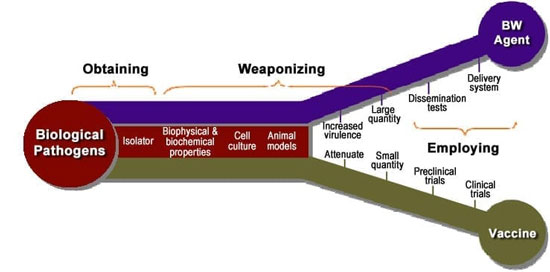
For the side of the “right side” such arguments may work soothingly, but someone on the wrong side can reasonably wonder whether 40 years later there is still a need to monitor Soviet biological programs and how they have not been completely eliminated. Or why such research for “threat reduction” from biological weapons and deliberate epidemics is conducted at Russia’s borders and not in the Nevada desert or on some isolated Pacific island where the US maintains bases anyway. But the more substantial objection arises from the fact that methodologically, technologically, practically, the distinction between laboratories that “promote” biological threats and those that “restrict” them is meaningless. There is no substantive difference; they do exactly the same work. When a biological laboratory researches a “threat,” from a mutated virus for example, regardless of whether it does so to apply it or prevent it, it must construct the threat. Also, a biological warfare laboratory can simultaneously do two jobs: on one hand research the weaponization of pathogens and on the other hand develop vaccines or other restrictive measures against them, otherwise the first without the second could lead to suicidal results. The following diagram is indicative of the process. Until the point where mass production begins, the distinction between research for prevention or application does not exist.
The forbidden reality
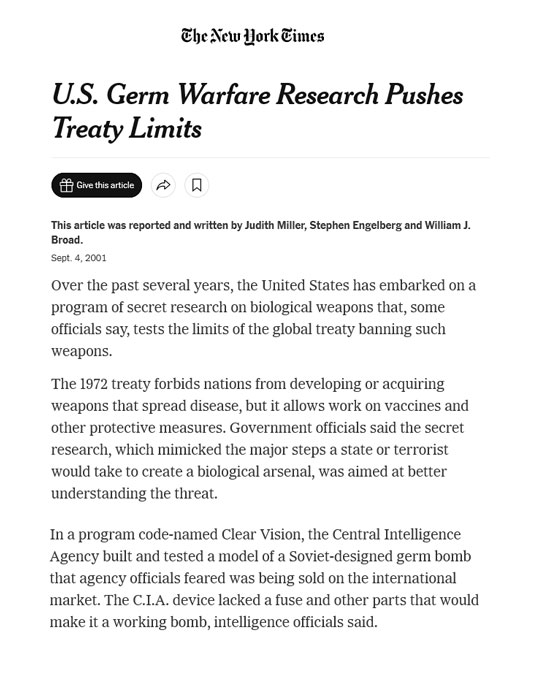
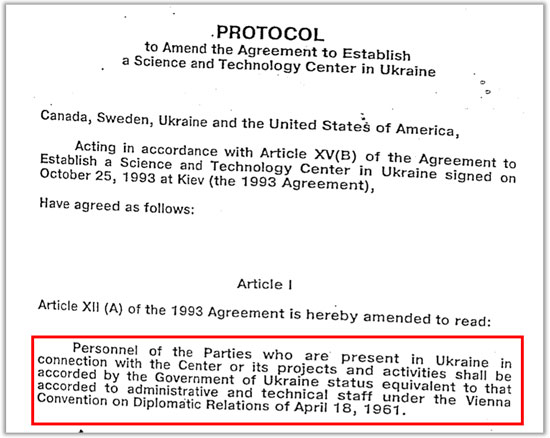
The United States today operate approximately 400 facilities and laboratories around the world that carry out secret programs in the field of biological research. While the U.S. is among the countries that had ratified the 1975 Biological Weapons Convention (BTWC), in 2001 they refused to sign a crucial protocol to the convention that regulates mutual verification mechanisms. Practically, these laboratories are subject to no international oversight, and in certain cases, such as in Georgia and Ukraine, due to draconian agreements, they are not even subject to local laws—the American personnel operate under diplomatic immunity. Moreover, according to the U.S. federal law “Uniting and Strengthening America by Providing Appropriate Tools Required to Intercept and Obstruct Terrorism Act” (known as the Patriot Act), research in the field of biological weapons is permitted with the authorization of the American government. At the same time, those participating in such research bear no criminal liability for the development of such weapons.
Because such laboratories do not publicize their achievements, the only way for their specific research fields to be revealed in the past was through accidents or “incidents” they caused. In 2014, under unclear circumstances, employees of a biological laboratory in Atlanta were infected with anthrax bacteria. More accidents are associated with Fort Detrick. This laboratory – actually a military base – serves as the “hub” of the American biological warfare program. Its origin dates back to World War II, when all the assets, research, and materials related to biological weapons from the notorious “Unit 731,” the Japanese military unit that conducted extensive biological warfare operations in China, were relocated there. In 2019, cases of pneumonia of unknown origin were recorded in two nursing homes near this laboratory, while later an epidemic of pneumonia was reported throughout the state of Maryland. After a significant increase in the number of respiratory diseases of unexplained origin, it was then announced that operations at the Fort Detrick laboratory had been suspended, allegedly due to errors in waste management.
American biological laboratories abroad are funded by the Defense Threat Reduction Agency (DTRA) under a military program worth 2.1 billion dollars, the Cooperative Biological Engagement Program (CBEP), and are located in countries of the former Soviet Union, except for Georgia and Ukraine, in Kazakhstan and Armenia, in the Middle East, Southeast Asia and Africa. All these laboratories are protected by a strict legal framework that prohibits access by local authorities and protects personnel from any potential investigation or prosecution against them.
The largest American biological warfare laboratory abroad is the Lugar Center in Georgia. The Center began construction in 2004, started operations in 2011, and has been fully operational since 2013. It is located just 17 kilometers from the U.S. military air base Vaziani in the capital Tbilisi. Assigned to the military program are biologists from the U.S. Army Medical Research Unit-Georgia (USAMRU-G) along with private contractors. The biosafety level 3 laboratory is accessible only to Americans with security clearance, while they are granted diplomatic immunity under the 2002 U.S.-Georgia agreement on defense cooperation. Local personnel have no right to access American documents and do not have access to the closed sections of the laboratories. The laboratory director is appointed by an individual from the military services or intelligence services. The transport of any biological material to and from the laboratories is carried out without any declaration or inspection by local authorities. This operational model and relationship with local authorities, first implemented in Georgia, was subsequently established as the model in all biological laboratories controlled by the U.S. abroad.
Elements retrieved from the American public registry of federal contracts shed light on certain military activities at the Lugar Center—including research on biological agents and vector-borne diseases (anthrax, tularemia, brucellosis, leishmaniasis, Crimean-Congo hemorrhagic fever), as well as the collection of biological samples for future experiments. Example from the 2014 W81XWH-14-X-9999 contract, as published by the American Department of Defense:
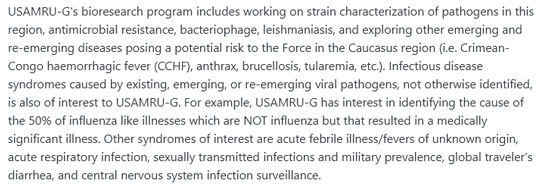
In 2018, following a cyberattack that resulted in the leak of documents from the Lugar Center, former Georgian Security Minister Igor Giorgadze made public accusations regarding human experiments and dozens of deaths. According to the documents, in December 2015, 30 individuals who received treatment at the center for hepatitis C died. Twenty-four patients died within a single day, while a secret study involving an unknown drug led to the deaths of over 160 people.
«I call upon the American government and President Trump personally to order an investigation. The people of Georgia will be grateful if the country is liberated from these experiments. Formal apologies and compensation to the families of the victims of these experiments will never be able to repay the lives that were lost». According to Giorgadze, a wide range of experiments involving Georgian citizens was conducted at the Lugar Center, with fatal results. As evidence, he presented a list of 30 individuals who underwent hepatitis C treatments at the Center and all died. The data concerning these cases covered only one month, December 2015. «The most notable point is that the documents show that out of the group of 30, 24 died on the same day… Data for 2016 show 30 deaths in April and another 13 in August. The most alarming aspect is the classification of ‘undetermined’ as the cause of death in all cases. Absolutely no investigation was conducted regarding the causes that led to the deaths of these individuals».
These deaths occurred at the same time that Georgia was facing an unexplained hepatitis C epidemic. A similar phenomenon has been observed in Ukraine, where at least 11 American biological laboratories are operating, most of them in the southeastern region of the country. With the commencement of operations of these laboratories, Ukraine began to experience cases of diseases that were considered already defeated. According to WHO data, in 2018 Ukraine ranked first in Europe regarding the frequency of measles outbreaks. Such cases were also observed in Georgia.
The contractors of death
The Defense Threat Reduction Agency (DTRA) has assigned a large portion of the work under its military program to private companies, which are not accountable to any political authority and can operate more freely and bypass the legal framework. Due to diplomatic immunity, which covers all laboratory personnel, military and political alike, private companies can carry out work under diplomatic cover for the U.S. government without being under the direct control of the host state. Three American private companies are working at the Lugar Center’s bio-laboratories – CH2M Hill, Battelle, and Metabiota. Apart from the Pentagon, these private contractors conduct research for the CIA and various other government services.
CH2M Hill has signed contracts worth 341.5 million dollars with DTRA within the framework of the Pentagon’s program for biological laboratories in Georgia, Uganda, Tanzania, Iraq, Afghanistan and Southeast Asia. Half of this amount (161.1 million dollars) is allocated to the Lugar Center, under the contract for Georgia. According to CH2M Hill, the American company has secured biological agents and has employed former biological warfare scientists at the Lugar Center. These are scientists working for another American company involved in the military program in Georgia – the Battelle Memorial Institute.
Battelle, as a subcontractor of the Lugar Center with a budget of 59 million dollars, has extensive experience in biological agent research, as the company has already worked on the U.S. biological weapons program under 11 previous contracts with the U.S. Army (1952-1966). The private company performs work for DTRA’s biological laboratories in Afghanistan, Armenia, Georgia, Uganda, Tanzania, Iraq, Afghanistan, and Vietnam. Battelle conducts research, development, testing, and evaluation using both extremely toxic chemical substances and highly pathogenic biological agents for a wide range of U.S. government services. It has secured federal contracts totaling approximately 2 billion dollars and ranks 23rd on the list of the top 100 U.S. government contractors.
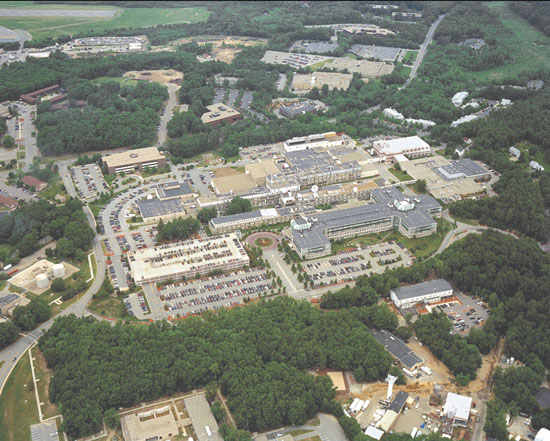
Battelle has operated a highly classified biological laboratory (National Biodefense Analysis and Countermeasures Center – NBACC) at Fort Detrick, Maryland, under contract with the U.S. Department of Homeland Security (DHS) for the past decade. The company has secured a federal contract worth $344.4 million (2006 – 2016) and another contract worth $17.3 million (2015 – 2026) from DHS.
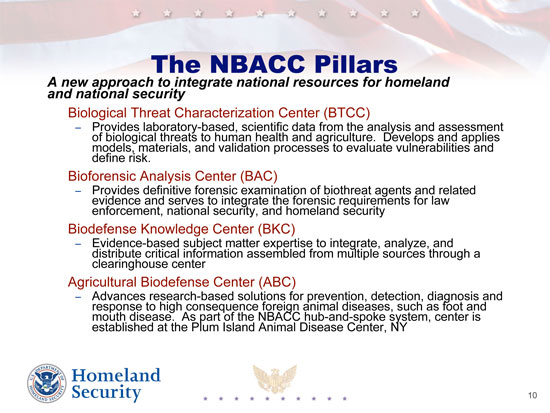
Among the secret experiments conducted by Battelle at NBACC are (a) evaluation of factor dissemination technology in powder form and (b) assessment of the risk posed by aerosol toxins and evaluation of the infectivity of B. Pseudomallei (melioeidosis) in relation to the aerosol particle in primary mammals. Melioeidosis has the potential to be developed as a biological weapon, and therefore it is classified in category B – bioterrorism agent. B. Pseudomallei has been studied by the USA in the past as a potential biological weapon.
Apart from military experiments at the Lugar Center, Battelle has already produced bioterrorism agents at the highly classified level 4 biosafety laboratory NBACC at Fort Detrick in the USA. An NBACC presentation lists 16 research priorities for the laboratory. Among these are the characterization of classical, emerging and genetically modified pathogenic factors for their potential as biological threats; the assessment of non-traditional, new and non-endemic disease outbreaks from potential biologically threatening factors; and the expansion of aerosol testing capability for primary mammals other than humans.
The American company Metabiota Inc. was awarded federal contracts worth 18.4 million dollars within the framework of the Pentagon’s DTRA program in Georgia and Ukraine for scientific and technical advisory services. Metabiota’s services include global research on biological threats in the field, the discovery of pathogenic factors, epidemic response, and clinical trials. Metabiota had been contracted by the Pentagon to perform work for DTRA before and during the Ebola crisis in West Africa and received 3.1 million dollars (2012-2015) for work in Sierra Leone—one of the countries at the epicenter of the Ebola epidemic.
A report dated July 17, 2014, prepared by the Partnership for Epidemic Preparedness Innovations, accused Metabiota of not adhering to the existing agreement regarding the reporting of test results and of bypassing the scientists in Sierra Leone who were working there. The report also raised the possibility that Metabiota was culturing blood cells in the laboratory, which according to the report was dangerous, as well as misdiagnosing healthy patients.
Metabiota also happens to be the company in which Hunter Biden, the son of the American president, is involved. In 2009, Christopher Heinz, the son of former Secretary of State John Kerry, founded the company Rosemont Seneca Partners together with Hunter Biden. This company acted as an intermediary between companies and the American government and had secured funding of tens of millions of dollars on behalf of Metabiota. Biden himself was a shareholder of Metabiota, whose board of directors included individuals from Rosemont. Apart from Metabiota, Biden was also involved with the Ukrainian energy company Burisma, of which he was a board member. Through Biden’s active mediation, funding had been secured for a joint “research program” between Metabiota and Burisma. What kind of “research” this would be, conducted jointly by a biotechnology company and a natural gas company, has not been clarified. However, it appears that Metabiota and Biden had greater ambitions. According to an email sent by Metabiota’s vice president to Biden: “As I promised, I have prepared the memorandum, which provides an overview of Metabiota, our involvement in Ukraine, and how we can potentially use our team, networks, and ideas to advocate for Ukraine’s cultural and economic independence from Russia and its continued integration into Western society.”
Killer insects
The arming of insects and biological warfare using them to transmit diseases is one of the fields in which the American military complex has invested. The Pentagon is reportedly believed to have conducted such entomological tests in Georgia and Russia. In 2014, the Lugar Center was equipped with an insect facility and launched a project entitled “Raising Awareness about Barcoding of Sand Flies in Georgia and Caucasus / raising awareness regarding the barcoding of sand flies in Georgia and the Caucasus.” (Sandflies is the common name used in international literature for a large family of extremely harmful insects resembling mosquitoes. In Greece, the most common representative of this species is the sand fly. In our geographical region, these insects are responsible for transmitting the extremely dangerous disease Kala-Azar, otherwise known as visceral leishmaniasis). The project covered a broader geographical area beyond Georgia-Caucasus. In 2014-2015, Phlebotomine sand flies were collected as part of another project “Surveillance Activities for Acute Febrile Illness,” and all (female) sand flies were examined to determine their infection rate. In a third project, which also included sand fly collection, the characteristics of their salivary glands were studied.
An immediate result of these studies is that Georgia has been affected by biting insects of this type since 2015. These biting insects live indoors, especially in household drains, all year round, which was not the typical behavior of these species in Georgia previously (normally the phlebotomine insect season in Georgia is extremely short – from June to September). Residents of the area complain that they are being bitten by these newly emerging insects/flies throughout the year. They also have high cold resistance and can survive even at temperatures below zero in the mountains. Since the launch of the Pentagon’s project in 2014, flies similar to those in Georgia have appeared in neighboring Dagestan (Russia), and according to local residents, they bite and cause rashes.
Sand flies of the Phlebotomine family carry dangerous parasites in their saliva, which they transmit through bites to humans. The disease transmitted by these flies is of great interest to the Pentagon. In 2003, during the U.S. invasion of Iraq, American soldiers were severely bitten by sand flies and infected with leishmaniasis. The disease is endemic in Iraq and Afghanistan, and if the acute form is not treated, it can be fatal.
A 1967 U.S. Army report titled “Arthropods of medical importance in Asia and the European USSR / Arthropods of medical importance in Asia and the European USSR” lists all local insects, their distribution, and the diseases they transmit. The document also mentions biting flies, which live in sewers. Their natural habitat, however, is the Philippines and not Georgia or Russia.
As part of the DTRA program “Viruses and other arboviruses in Georgia” in 2014, the unusual tropical mosquito Aedes Albopictus was detected for the first time in this region, and the presence of the Aedes Aegypti mosquito in western Georgia was confirmed after six decades. These tropical Aedes Albopictus mosquitoes, which had never been observed before in Georgia, have also been detected in neighboring Russia (Krasnodar) and Turkey, according to data from the European Centre for Disease Prevention and Control. Their spread is unusual for this part of the world. Aedes Aegypti mosquitoes have spread only to Georgia, southern Russia, and northern Turkey. They were first detected in 2014 following the launch of the Pentagon’s program at the Lugar Center.
Anthrax attack
In 2007, Georgia terminated its policy of mandatory annual vaccination of animals against anthrax. As a result, the disease’s morbidity rate reached its peak in 2013. In the same year, NATO began testing anthrax vaccines on humans at the Lugar Center in Georgia.
Anthrax is one of the biological agents extensively studied by the U.S. military, and until the 1950s, the University of Iowa was manufacturing the Ames strain in laboratories and selling it on the international market. Despite Pentagon claims that its program is purely defensive, there is evidence proving the opposite. In 2016, American scientists at the Lugar Center conducted research on the “genome sequencing of the Soviet/Russian vaccine strain Bacillus anthracis 55-VNIIVViM,” which was funded by the DTRA’s Cooperative Biological Engagement Program in Tbilisi and managed by Metabiota (the U.S. contractor within the framework of the Pentagon’s program in Georgia).
In 2017, DTRA funded another study (ten genome sequences of Bacillus anthracis isolates from humans and animals in Georgia), which was conducted by USAMRU-G at the Lugar Center.
Fever
Crimean-Congo hemorrhagic fever (CCHF) is caused by infection through a tick-borne virus. The disease was first detected and identified in Crimea in 1944 and named Crimean hemorrhagic fever. It was later identified in 1969 as the cause of illness in Congo, resulting in the current name of the disease. In 2014, 34 people (including a 4-year-old child) were infected with CCHF in Georgia. Three of them died. That same year, Pentagon biologists were studying the virus in Georgia as part of the program “Epidemiology of febrile diseases caused by tick-borne encephalitis viruses and other arboviruses in Georgia.” The project included examinations of patients with fever symptoms and the collection of ticks, as potential carriers of CCHF, for laboratory analysis.
The cause of the CCHF epidemic in Georgia remains unknown. According to the report of the local veterinary service, only one tick out of all the species collected from the infected villages tested positive for the disease. Despite local authorities’ claims that the virus was transmitted to humans from animals, all animal blood samples were also negative. The lack of infected ticks and animals is unexplained given the sudden increase in human CCHF cases in 2014, indicating that the epidemic was not natural and the virus was deliberately transmitted.
In 2016, another 21,590 ticks were collected to create a DNA database for future studies at the Lugar Center under the Pentagon’s program “Assessment of seroprevalence and genetic diversity of Crimean-Congo hemorrhagic fever virus (CCHFV) and hantaviruses in Georgia.”
Two hundred and thirty-seven cases of Crimean-Congo hemorrhagic fever (CCHF) have also been reported across Afghanistan, 41 of which were fatal since December 2017. According to the Afghan Ministry of Health, most cases have been recorded in the capital Kabul, where 71 cases with 13 deaths have been reported, and in the province of Herat near the border with Iran (67 cases).
Afghanistan is one of the 25 countries around the world with Pentagon biological laboratories on its territory. The project in Afghanistan is part of the US biological defense program – Cooperative Biological Engagement Program (CBEP), which is funded by the DTRA. DTRA contractors working at the Lugar Center, CH2M Hill and Battelle, have also been contracted for the program in Afghanistan. CH2M Hill has been awarded a contract worth $10.4 million (2013-2017). The Pentagon contractors in Afghanistan and Georgia are the same, as are the diseases spreading among the local population in both countries.
Biological weapons factory
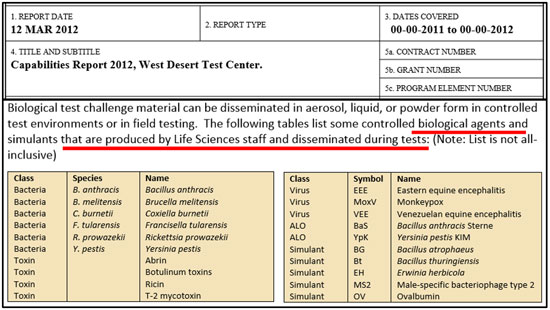
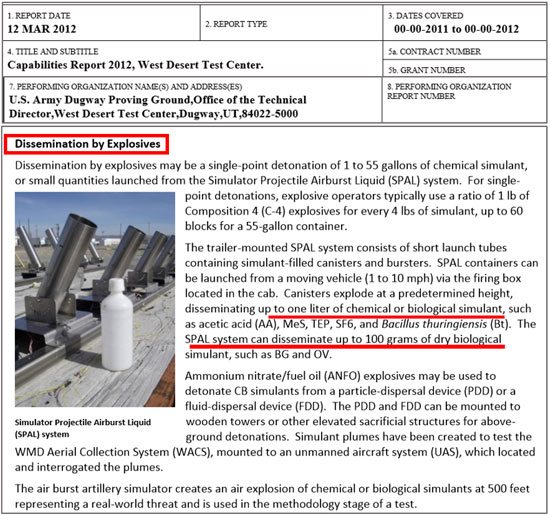
The U.S. Army produces and tests biological agents at a special military facility located at Dugway Proving Ground (West Desert Test Center, Utah), as demonstrated in a 2012 U.S. Army report. The facility is supervised by the Military Test and Evaluation Administration.
The Life Sciences Division (LSD) at Dugway Proving Ground is responsible for the production of biological agents. According to the army report, scientists from this division produce and test biological agents in aerosol form at the Lothar Saloman Life Sciences Test Facility (LSTF).
The Life Sciences Division consists of an aerosol technology branch and a microbiology branch. The aerosol technology branch aerosolizes biological agents and simulants. The microbiology branch produces toxins, bacteria, viruses, and organisms and are used in chamber and field tests.
The fermentation laboratories at the Life Sciences Test Facility cultivate bacteria in fermenters ranging from a small 2-liter system to a large 1500-liter system. These volumes in no way correspond to the requirements of a “research laboratory” but to regular production. The fermenters are specially adapted to the requirements of the microorganism being developed – pH, temperature, light, pressure, and nutrient concentrations that give the microorganism optimal growth rates.
At the same facilities, the American army produces, holds, and tests aerosols of the deadliest toxin in the world – Botulinum neurotoxin. In 2014, the Department of Defense purchased 100 mg of botulinum toxin from Metabiologics for testing at Dugway Proving Ground. The experiments date back to 2007, when an unspecified quantity of the toxin was delivered to the Department of Defense by the same company, Metabiologics.
Genetically modified insects – Genetically modified viruses
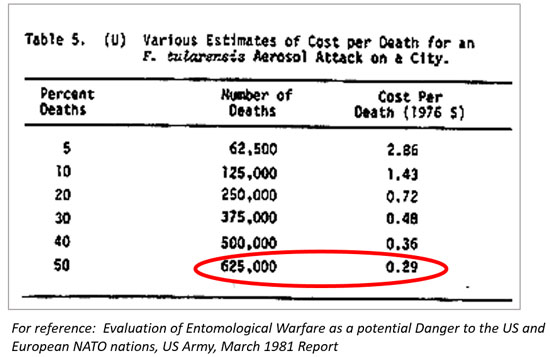
The Pentagon has invested at least 65 million dollars in gene editing. The well-known DARPA has assigned 7 research teams the development of tools for modifying the genome in insects, rodents and bacteria within the framework of the Safe Gene program, using CRISPR-Cas9 technology.
Within the framework of another military program, Insect Allies / Genetically Modified Insects, the genetically modified insects are designed to deliver modified genes to plants. The DARPA program worth 10.3 million dollars includes both gene processing in insects and in the viruses they transmit. “Ecological Niche-preference Engineering” is a third ongoing military program for insect genome modification. The Pentagon’s stated goal is to construct genetically modified organisms so that they can withstand certain temperatures, change their habitat and food sources.
From 2008 to 2014, the United States invested approximately 820 million dollars in synthetic biology research, with defense being a significant factor. Most of the military programs for synthetic biology are classified, including a series of classified studies by the secretive JASON group, which serves as an advisor to the American armed forces. JASON is an independent scientific group that provides advisory services to the U.S. government on matters of defense science and technology. It was founded in 1960, and most of JASON’s reports are classified. For administrative purposes, JASON’s projects are managed by the MITRE Corporation, which has contracts with the Department of Defense, the CIA, and the FBI. Since 2014, MITRE has entered into contracts with the Department of Defense worth approximately 27.4 million dollars.
Although the JASON reports are classified, another study by the American Air Force titled “Biotechnology: Genetically Modified Pathogens” sheds some light on what the secretive JASON group has investigated—five groups of genetically modified pathogenic microorganisms that can be used as biological weapons. These include binary biological weapons (a deadly combination of two viruses), host-switching diseases (animal viruses that “jump” to humans, such as the Ebola virus), stealth viruses, and designed diseases. The designed diseases can be engineered to target a specific ethnic group, meaning they can be used as ethnic biological weapons.
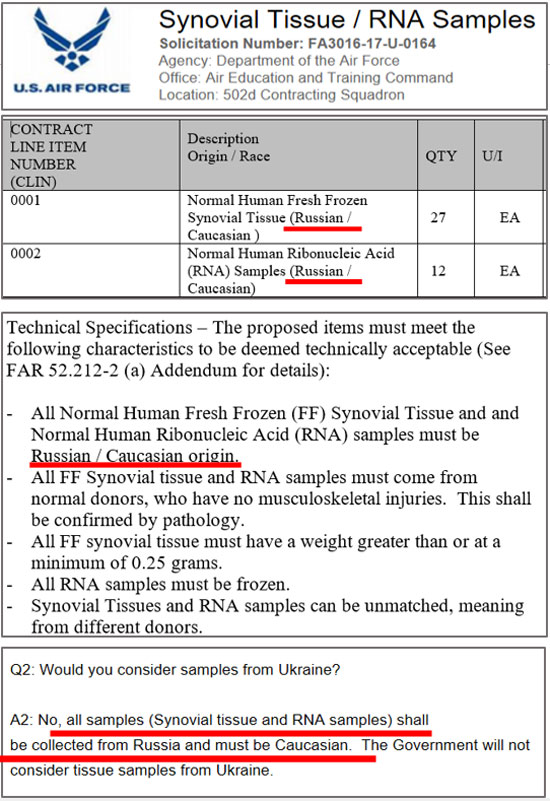
The ethnic biological weapon (biogenetic weapon) is a primarily theoretical war tool that aims to harm mainly individuals of specific ethnicities or genotypes. Although officially the research and development of ethnic biological weapons has never been publicly confirmed, documents show that the US collects biological material from specific ethnic groups – Russians and Chinese.
The US Air Force specifically collects Russian RNA and joint tissue samples, causing fears in Moscow about a secret US biological weapons program. Besides Russians, the US collects biological material from both healthy and cancer patients in China. The National Cancer Institute has collected biological samples from 300 individuals from the Chinese cities of Linxian, Zhengzhou and Chengdu. While another federal program, titled “Metabolic Serum Biomarker Discovery Study” for esophageal squamous cell carcinoma in China, includes the analysis of 349 serum samples which have been collected from Chinese patients.
Chinese biological material has been collected within a series of federal programs, including saliva and cancer tissue. Among these are DNA genotyping of samples from lymphoma cases and from healthy individuals; tissue samples from breast cancer patients; saliva samples from 50 families having 3 or more esophageal cancer cases; DNA genotyping for samples from Beijing’s Anti-Cancer Hospital; genotypes from 3000 gastric cancer cases and 3000 healthy individuals in Beijing.
The Ukrainian Connection
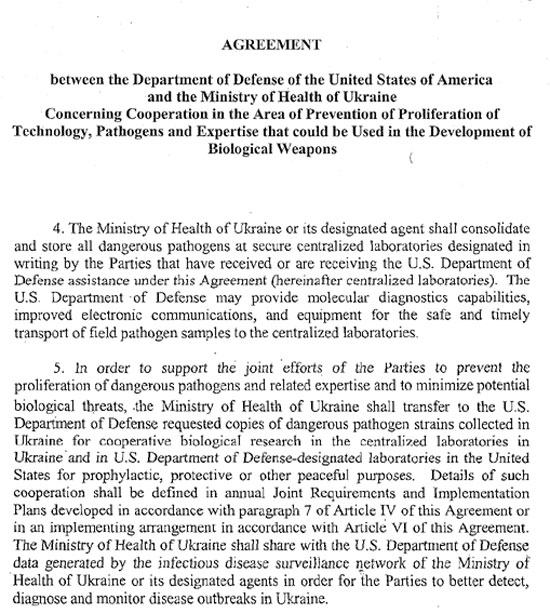
DTRA has funded 11 bio-labs in Ukraine, many of which are located near the border with Russia. Ukraine does not control the military bio-labs on its territory. According to the 2005 agreement between the US Department of Defense and the Ukrainian Ministry of Health, the Ukrainian government is prohibited from disclosing sensitive information regarding the American program, and Ukraine is obligated to transfer dangerous pathogens to the US Department of Defense for biological research. The Pentagon has access to certain state secrets of Ukraine related to the programs under the framework of their agreement.
Among the bilateral agreements between the US and Ukraine is the establishment of the Science and Technology Center in Ukraine (STCU) – an international organization primarily funded by the US government and covered by diplomatic status. The STCU officially supports projects of scientists who had previously been involved in the Soviet biological weapons program. Over the past 20 years, the STCU has invested over 285 million dollars in funding and managing approximately 1,850 projects of scientists who previously worked on developing weapons of mass destruction.
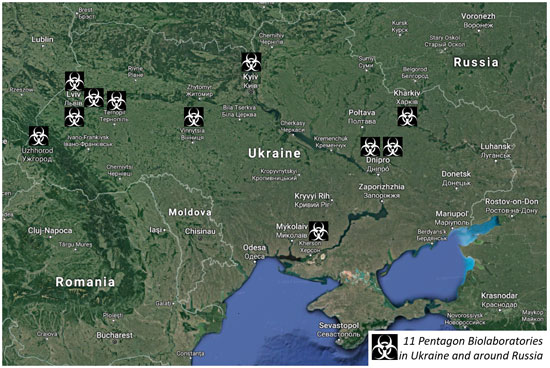
One of the Pentagon’s laboratories is located in Kharkov, where in January 2016 at least 20 Ukrainian soldiers died from the flu virus within just two days, while another 200 were hospitalized. The Ukrainian government refused to make any report about the dead Ukrainian soldiers in Kharkov. Since March 2016, 364 deaths have been reported throughout Ukraine; 81.3% were caused by swine flu (H1N1) – the same strain that caused the global pandemic in 2009.
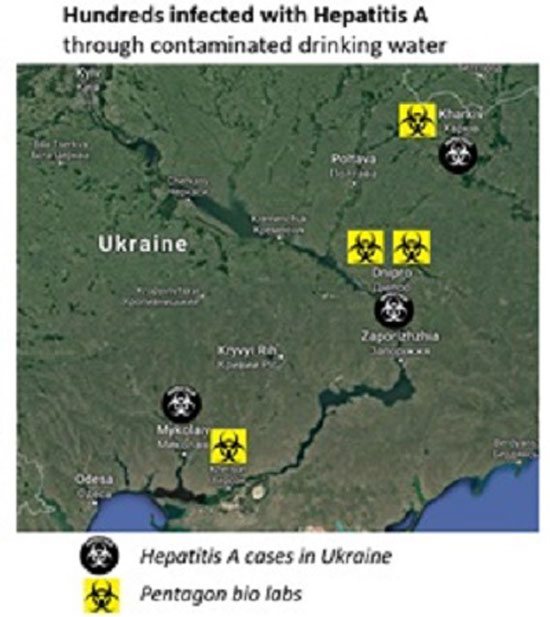
At the same time, an extremely suspicious hepatitis A outbreak spread rapidly within a few months in southeastern Ukraine, where most of the Pentagon’s biological laboratories are located. 37 people were hospitalized for hepatitis A in the Ukrainian city of Mykolaiv from January 2018. The local police launched an investigation for “infection by the human immunodeficiency virus and other incurable diseases.” Three years ago, more than 100 people in the same city were infected with cholera. Both diseases are said to have spread through contaminated drinking water.
In the summer of 2017, 60 people with hepatitis A were admitted to the hospital in the city of Zaporizhzhia, but the cause of this epidemic is still unknown.
In the Odessa region, 19 children from an orphanage were hospitalized for hepatitis A in June 2017.
In November 2017, 29 cases of hepatitis A were reported in Kharkiv. The virus was isolated in contaminated drinking water. One of the Pentagon’s biological laboratories is located in Kharkiv, which was accused of the deadly flu outbreak a year ago that cost the lives of 364 Ukrainians.
In 2011, Ukraine was hit by a cholera epidemic. According to reports, 33 patients were hospitalized in serious condition. A second epidemic struck the country in 2014, when more than 800 people throughout Ukraine were reported to have been infected by the disease. In 2015, at least 100 new cases were recorded in the city of Mykolaiv alone. A new highly infectious variant of the cholera-causing agent Vibrio cholerae, with significant genetic similarity to the strains reported in Ukraine, struck Moscow in 2014.
The Southern Research Institute, one of the US contractors working in biological laboratories in Ukraine, has programs for cholera, as well as for influenza and the Zika virus – all pathogens of military significance for the Pentagon.
Along with the Southern Research Institute, two other private American companies operate military biological laboratories in Ukraine, Black & Veatch and Metabiota. Black & Veatch was awarded DTRA contracts worth $198.7 million to build and operate biological laboratories in Ukraine (under two five-year contracts in 2008 and 2012), as well as in Germany, Azerbaijan, Cameroon, Thailand, Ethiopia, Vietnam, and Armenia.
Metabiota has signed a federal contract worth $18.4 million under the program in Georgia and Ukraine. This American company had also been contracted to perform work for the DTRA before and during the Ebola crisis in West Africa, and the company received $3.1 million (2012-2015) for work in Sierra Leone.
The Southern Research Institute has been the main subcontractor under the DTRA program in Ukraine since 2008. The company was also a major Pentagon contractor in the past under the US biological weapons program for research and development of biological agents, with 16 contracts between 1951 and 1962.
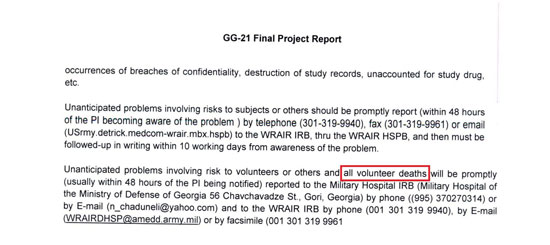
Project GG-21 + Project UP-8: All volunteer deaths will be reported immediately
Among the most recent programs initiated by the Pentagon in the former Soviet republics of Georgia and Ukraine are Project GG-21 and Project UP-8. The first concerns Georgia, has a duration of 5 years with a possible extension of up to 3 years, and is titled “Arthropod-borne and zoonotic infections among military personnel in Georgia.” According to the project description, blood samples will be taken from 1,000 newly enlisted military personnel at the time of their physical examination for military registration at the Georgian military hospital located in Gori. The samples will be tested for antibodies against fourteen pathogenic microorganisms: bacillus anthracis, brucella, CCHF virus, coxiella burnetii, francisella tularensis, hantavirus, rickettsia, TBE virus, bartonella, borrelia, ehlrichia, leptospira, salmonella typhi, WNV.
According to the project contract, the amount of blood drawn is 10 ml. The samples are stored indefinitely at the Lugar Center or at the USAMRU-G military facilities, while isolated samples may be sent to the central offices of the Walter Reed Army Institute of Research in the USA for future research studies. WRAIR is the largest biomedical research facility managed by the US Department of Defense. The results of the blood test will not be given to the study participants.
Such a procedure, under normal conditions, cannot cause death. (Unless the conditions are not the physiological ones or if the procedure is other than the one that appears). However, according to the program’s report, “all volunteer deaths will be reported immediately (usually within 48 hours of the researcher’s notification)” to the Georgian military hospital and to WRAIR. Blood samples from soldiers will be stored and further examined at the Lugar Center.
Documents that are publicly available in the US federal contracts registry show that USAMRU-G extends its activities to other US allies in the region and “establishes expeditionary infrastructure” outside of Georgia and Ukraine, in Bulgaria, Romania, Poland and Latvia. USAMRU-G’s next project involving biological testing on soldiers was to start this March at the Bulgarian military hospital in Sofia.
DTRA has funded a similar project concerning soldiers in Ukraine under the code name UP-8: “The spread of the Crimean-Congo hemorrhagic fever virus (CCHF) and hantaviruses in Ukraine and the potential need for differential diagnosis in patients suspected of having leptospirosis.” The project began in 2017 and was repeatedly extended until 2020, according to internal documents.
According to the program description, blood samples will be collected from 4,400 healthy soldiers in Lviv, Kharkiv, Odessa, and Kyiv. 4,000 of these samples will be tested for hantavirus antibodies and 400 of them for the presence of antibodies against the Crimean-Congo hemorrhagic fever virus (CCHF). The results of the blood tests will not be provided to the study participants.
There is no information regarding what other procedures will be performed, except that “serious incidents, including deaths, must be reported within 24 hours. All deaths of study subjects that are suspected or known to be related to the research procedures must be reported to the bioethics committees in the USA and Ukraine.” Increased concern about potential deaths from a simple “blood draw.”
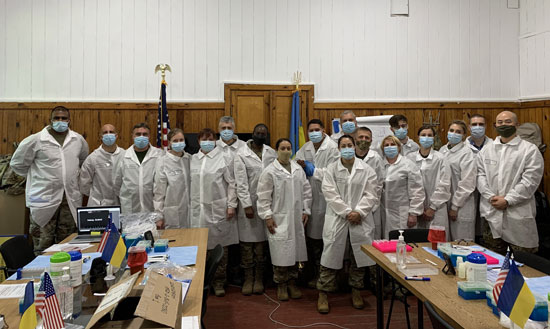
“Jangwoo Lee, head of the 1st AML for endemic disease and biological warfare assessment, stated that American soldiers supported the creation of a mobile biological diagnostic unit of the Ukrainian Ministry of Defense. The educational initiative of the US Defense Threat Reduction Agency (DTRA) focused on polymerase chain reaction diagnostic testing and on-site identification of biological agents. Lee stated that American troops delivered educational lectures, practical training, and field exercises with Ukrainian troops in laboratory and field environments…
The 1st Area Medical Laboratory is part of the 20th Chemical, Biological, Radiological, Nuclear, Explosives (CBRNE) Directorate, the only multi-functional headquarters of the US Department of Defense for all hazards… The only-of-its-kind laboratory of the American army has often been deployed to support military operations, including the 2014-2015 effort to contain the Ebola epidemic in West Africa…
According to the commander of the 1st AML, the recent educational mission allowed his command to forge a stronger relationship with Ukrainian health professionals. As a valuable asset in the field, it is imperative that the 1st AML be ready to cooperate with our common and allied partners. Trainings such as this provide a great opportunity for professional collaboration and relationship building. These opportunities also help develop a shared scientific understanding of capabilities and how we could support each other in the field.”
That is, the American biological warfare elite conducted joint exercises with the Ukrainian army, essentially the first training the second, in order to improve cooperation between allies and to find ways they could support each other in the field. In fact…
Danger sign from the past
The unthinkable does not mean impossible. The experience of recent years should have taught us this, when the state of emergency ceased to be the exception and became the rule. And it would be suicidal naivety for each and every one of us to “relax” behind the expectation that we have consumed and with the surplus our share of misery that belongs to us in history. The surprise at how the things we live through are “still” possible even in the twenty-first century is no defense for anything. Nor is the surprise in the face of biological weapons and how it is possible for some strategies to be crafting plans today in the spectrum of biological warfare, going to stop anything.
The evidence shows that at least one “superpower” state has not ceased for a moment over the past decades to research and develop biological weapons, and in recent years has intensified its efforts. In the arena of inter-capitalist competition, the mere suspicion that pathogens are being weaponized—and perhaps have already been used—would be enough to trigger an arms race in biological weapons. We are no longer dealing merely with suspicions, therefore it is absolutely reasonable to assume that the U.S. may not be the only ones who have invested in the military capabilities of biotechnology.
The mere thought of an invisible enemy capable of overwhelming entire populations without the ability to react could be paralyzing and easily lead to willing submission to the directives of the authorities; as indeed happened with the pandemic. But this stance of paralysis-resignation-surrender has never been the measure of history.
Several decades ago, Europe was shaken by the anti-nuclear movement, whether against military or so-called “peaceful” use. That movement faced no easier opponent, nor would the potential consequences have been lesser if the third “cold” world war were to derail. Nevertheless, the anti-nuclear movement managed at critical moments to block nuclear plans and, to the extent possible, prevented the European continent from becoming an endless nuclear missile launch field. We do not know if today we would have the luxury to discuss and reflect upon the consequences of a biological war, had that movement not existed and had its stance not been adopted by a mass paralyzed by fear. This is the danger signal, but also the clear call to action, sent to us by the past. Otherwise, cockroaches will be the ones to write the epilogue—and most likely, they won’t be kind in their critique of our species…
Hurry Tuttle