
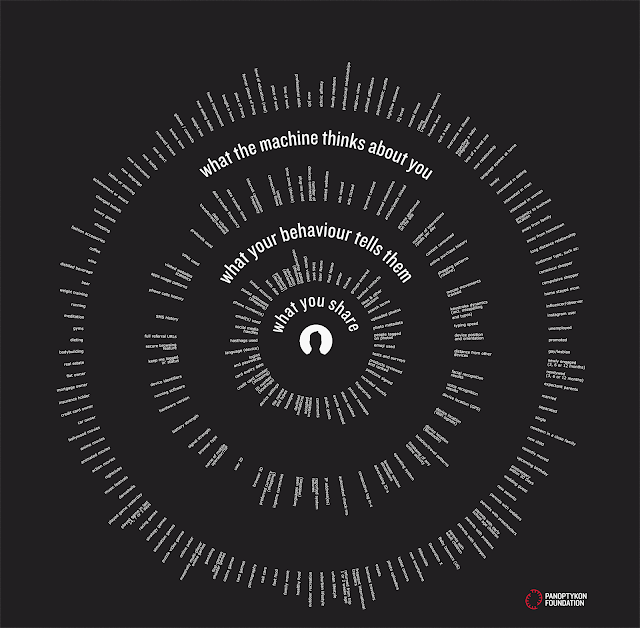
The estimated size of the digital universe by the end of 2020, according to the World Economic Forum, will be 44 zettabytes (44 quintillion bytes); 40 times more bytes than …
Human-X: the next generation

New evidence shows that modifying human embryos brings doom to DNA. Three studies conclude that the CRISPR gene-editing method is not safe. A few months ago, in June 2020, the …
Naked death: dancing to the rhythms of the state Danse Macabre
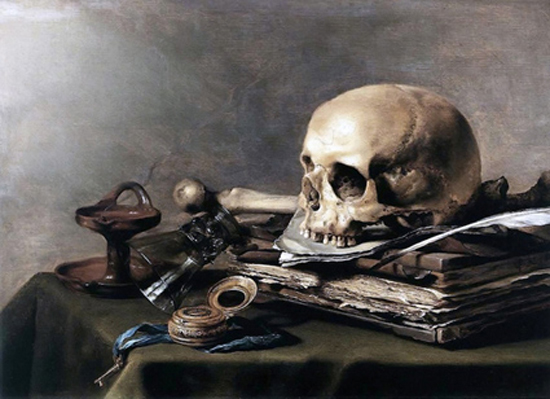
Death in the twentieth century has become a taboo…it has replaced sex as the quintessential forbidden subject. Philippe Ariès The image of death seems to be omnipresent in contemporary Western …
From mutations to “reprogramming”: the breakthrough of genetic engineering
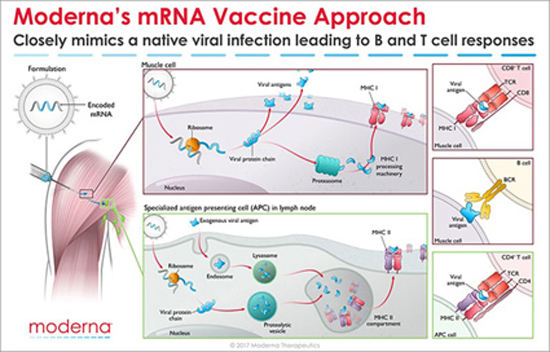
Mutations may occur in all kinds of organisms randomly from the beginning of the world. But designed mutations, the diamond in the crown of biotechnologies in recent decades, quickly became …
The puppies of Pavlok
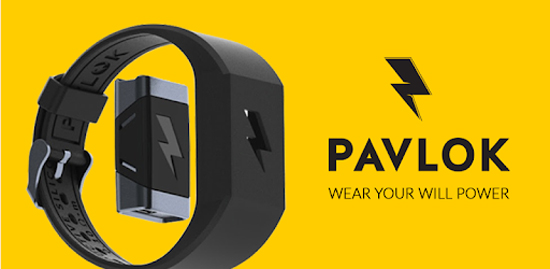
Social media is the place par excellence for “shocking” advertisements, let alone in the era of generalized quarantine where online consumers are ready to invest in any product that promises …
Neuralink
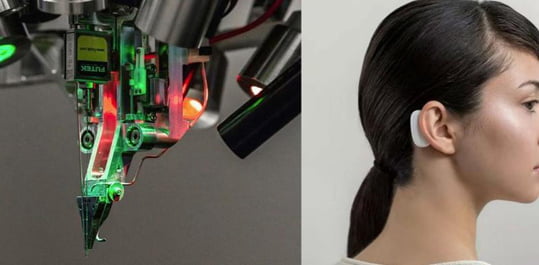
You may easily be about a century behind. He is certainly not a successful businessman either, but that’s how he is considered (the parallel realities, you see!). He stands very …
The monopoly of truth

It is common in the so-called “scientific circles” that when an opinion has influence over the majority (an influence that is never spontaneous but always constructed within the ‘scientific institutions’) …
Let’s finish with digital immigrants!
Among other things, the provisions made for returning to schools this year include health examinations, “thorough cleaning”, gloves and masks, demarcation of space and time, tele-procedures and tracing protocols. One …
Body-as-implement
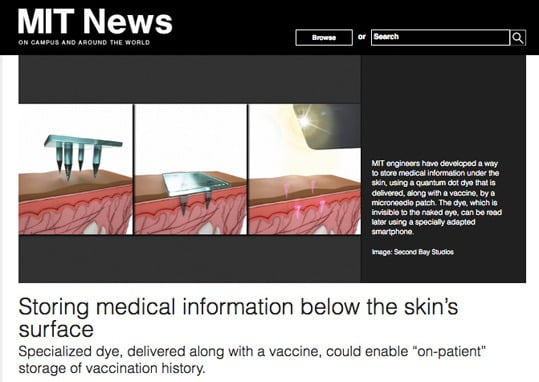
Quantum dots (QDs) are achievements of nanotechnologies; techniques that manage materials at the scale of atoms and / or molecules. QDs are semiconductor circuits, ie “chips”, in the size of …
Person-Generated Health Data

We know that there are many, too many, those who find it difficult (? – refuse? – are unable?) to connect the 4th industrial revolution with the mega-management not of …
Medicines, businesses and legislation
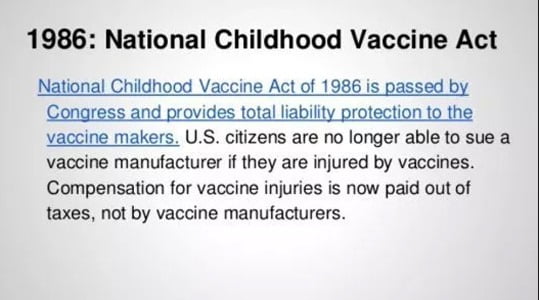
In 1986, a u.s. childhood vaccine injury act (NCVIA) set up a non-liability compensation program to stabilize a vaccine market that had been targeted for increasing litigation claims for vaccine-related …
cashless: money as a cloud

A society (a world) without money would be, perhaps, healthier? The question does not imply harsh anticapitalism, nor nostalgia for a return to nature and to a “barter economy.” For …