
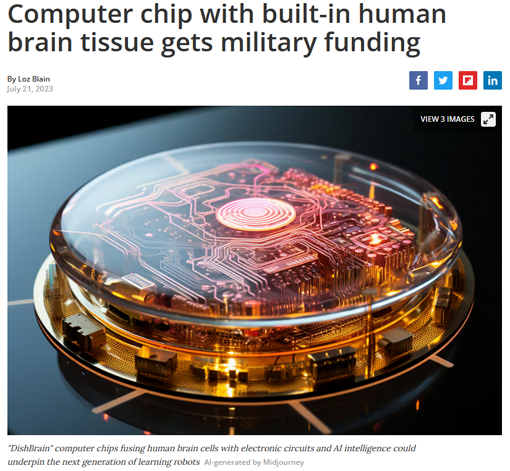
It’s not only brain-implanted electronics like Neuralink that shape a nightmarish or hopeful (depending on one’s taste or interests) near future for the organic fusion of the living with the …
What would Vladimir say?
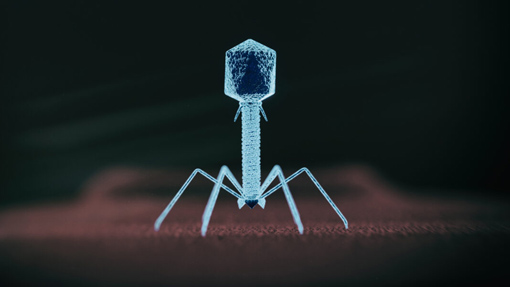
They are viruses. They are called (and are) bacteriophages: they feed exclusively on bacteria. Given that many infections (in the human body), some particularly serious, are caused by bacteria, bacteriophages …
A very peppy poplar
A biotechnology company in California that aims to create fast-growing trees that can quickly absorb atmospheric carbon dioxide announced its first experimental results: the company’s genetically enhanced poplars grew more …
Transgenesis
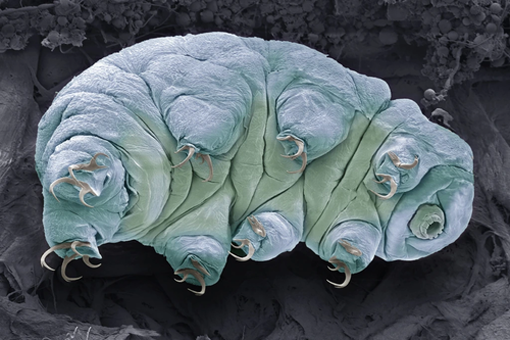
They have been on this rotating rock called “Earth” long before us. They don’t bother anyone. They have the cute name “water bears” but at least 1,000 different species have …
The gourmet treats of the “new normal”
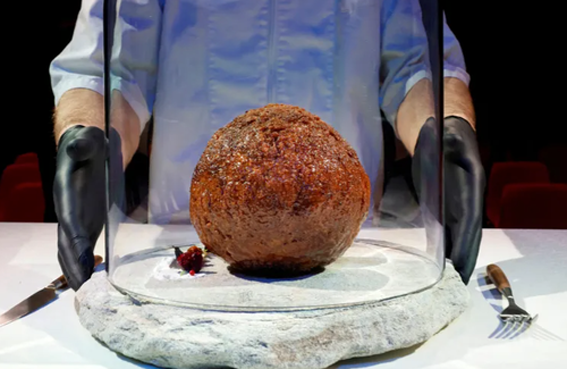
The “artificial burgers,” made from “artificial meat,” have already reached the shelves of grocery stores: with the right processing, the right additives, the right flavorings, and, of course, the right …
the cells factory

catch the postman! On a cold April morning, dozens of investors gathered in the conference room of the Marriott hotel in Kendall Square, in the biotech hub of Cambridge, Massachusetts, …
GATTACA remains relevant 25 years later

Twenty-five years have passed since the release of the film GATTACA, a film that tells the story of a possible near future in which social inequalities, which were previously associated …
hipster eugenics: better babies for billionaires
The techno-utopian beliefs known as “effective altruism” and “longtermism” have recently become widely known, judging from Google searches, news articles, and personal experience. Far less attention has been paid to …
Cells with horns
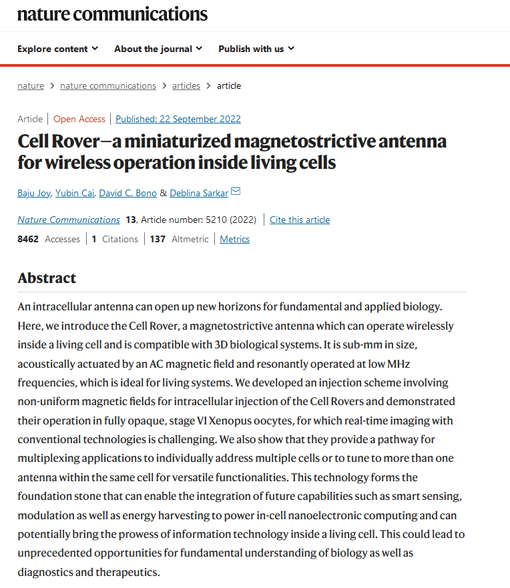
Excuse me: with antennas… Researchers never stop! The above, from MIT, built an antenna so microscopic (along with its equipment) that it fits inside a cell. And they boast: an …
babies on demand without the hassle of pregnancy! (yes, that’s right…)

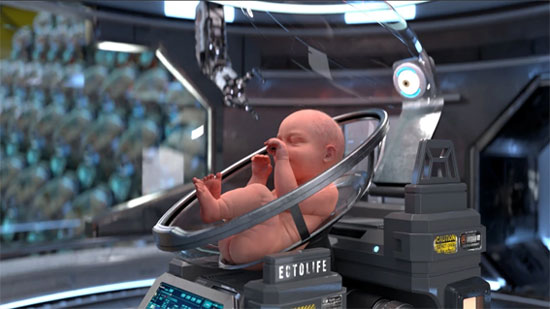
At the beginning of December, “scientific communicator and video producer” Hashem Al-Ghaili published a video on his LinkedIn page and his YouTube channel titled:Introducing EctoLife, the world’s first artificial womb …
CRISPR gene editing in human embryos causes chromosomal chaos
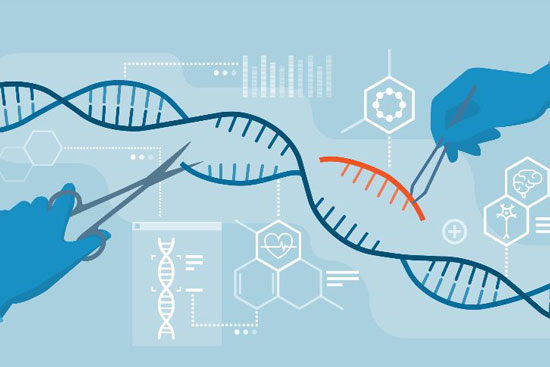
Three studies showing large DNA deletions and rearrangements increase concerns about safety regarding the editing of the inherited genome. A series of experiments using the CRISPR-Cas9 gene-editing tool to modify …
the flesh machine

Eugenics aims to use science to improve the human race across generations by changing the composition of human populations – this is achieved by promoting the reproduction of certain kinds …