another restructuring > Amidst other simultaneous and often overwhelming developments, a radical restructuring of food production (whether as "raw materials" or as "final products") is interwoven with rhetoric. For societies like the Greek one, where food is supposedly a fairly traditional aspect of life, but where certain "transitional" aspects of this restructuring are visible (from "ready-made meals" to "gourmet cuisine"), this radical restructuring of food production is simply something that goes down the hatch – period! However, even in this area, broader rhetoric and strategic interests intersect, the characteristics of which should definitely be kept in mind.
Let's briefly recall: The promotion of entomophagy (eating insects) as a healthy and protein-rich diet... The promotion of lab-grown meat, also touted as healthy, and supposedly "protecting" the planet... And the currently pending (but for how long?) approval by the EU of widespread genetic modifications in plants (for now) / food raw materials...
The rhetoric revolves around cultivating "major fears": the fear of so-called "climate change," the fear of shortages or high prices of food raw materials (again, due to "climate change"), the fear of obesity (a product of the current food industry...), and the fear of epidemics/pandemics from viruses of animal origin.
If one removes from these rhetorics what they present as a solution (in this case, various "new foods / new dietary norms"), and studies them stripped of their moralizing/salvationist aspects, one will find nothing other than organized capitalist, tangible, and material interests.
While, for example, the existing production of food or food raw materials is concentrated in some cases, on the other hand, it remains largely dispersed overall, mainly due to its direct relationship with the land, history, (and) dietary traditions and cultures across different parts of the planet. Consequently, a campaign for strong centralization in this sector, a campaign to create the global "big 3" or "big 5" or "big 7" food giants, analogous to oil or information technology/cybernetics companies, requires a radical change in what (and why) we eat. Genetic engineering / biotechnology are powerful tools here: what companies like Monsanto or Cargill have achieved so far is "little" compared to what could be achieved if a handful of businesses, with scattered factories and exclusive patents and "partnerships," could biotechnologically modify plants and meat (including fish) as food, acquiring oligopolistic power.
On the other hand, the "release" of land from existing agricultural and livestock uses (even though many of these uses are already extensions of the chemical industry) is a great opportunity for new revenue streams through other uses: from creating "new - private - cities" to things we cannot even imagine.
Food, like health in different but equally critical ways, becomes a kind of amplifier of blackmail by various categories of capital owners in the era of the 4th industrial revolution. The fact that "insects are nutritious" or "they have been eaten for centuries"; the fact that "biotechnological / industrial meat is even more nutritious and 'clean' than animal meat" and "is also aimed at vegans"; the fact that "a plant with up to 20 industrial mutations will be considered 'natural' and therefore will not need labeling," and many other things presented as encouragement/advice/guarantees, are a smokescreen for broader and more general "adjustments" to meet immediate and short-term profit needs and control.
The process does not hide its structural violence, which is its driving force. For example, the Danish state had the brilliant idea of imposing a fine of 100 euros on each cow with the "argument" that each such animal "emits" 120 kilograms of methane every year "destroying" the planet... It did not say (not yet) that war should be waged against India, where cows are considered sacred animals, and can roam freely... The Dutch state, for its part, banned one-third of agricultural and livestock production, again with the same arguments... Obviously, the plan is to create a prolonged crisis (shortages) of traditional foods or raw materials, so that the "new" ones will appear at some point (when the corresponding "production capacity" has been established) as "salvation from hunger"...
Crises are the current social engineering of capital.
Ziggy Stardust
Vaccine debunking: the attack continues!
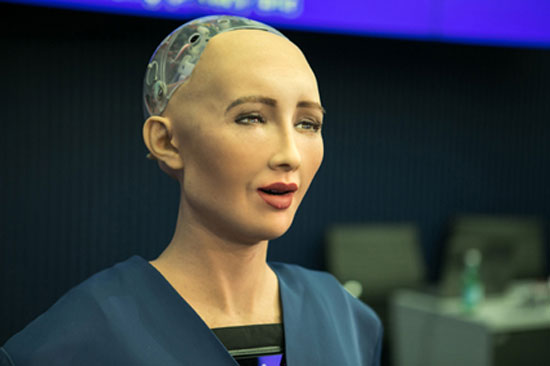
the (robotic) rights of capital
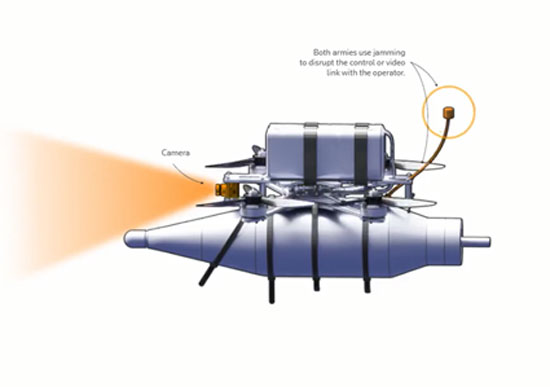
drones versus drones: automation of war?
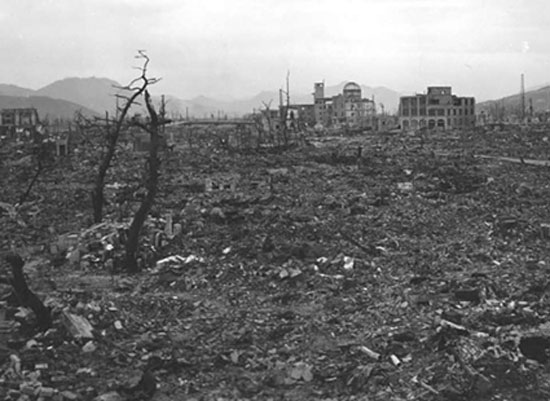
mythematic stories about the destruction of Hiroshima and Nagasaki
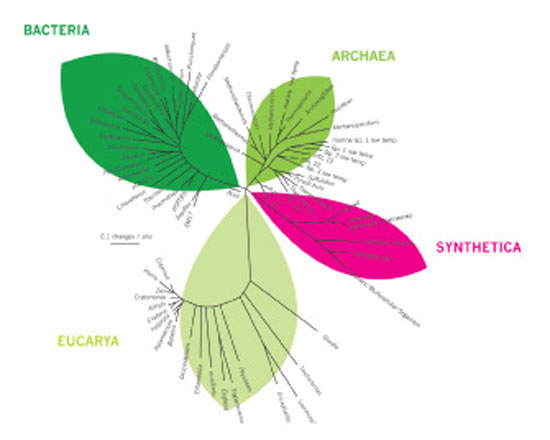
the organism is the product (synthetic biology and the creation of genetic tailoring)
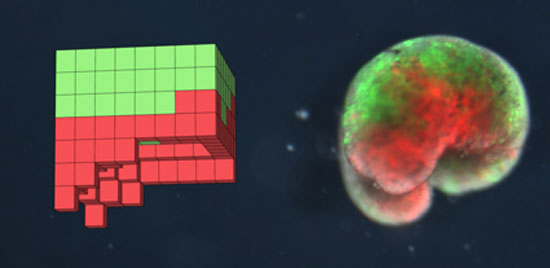
anthrobots: “the third state”
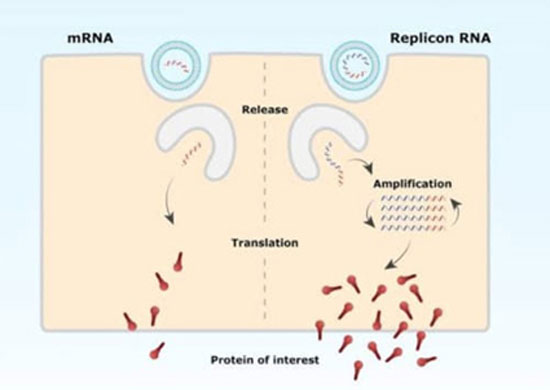
replicon: the acceleration of the biotech attack