don’t believe the hype! > It started playfully: "Send us a DNA sample, and we'll find your genealogy, your deepest origins." The company, founded in California in 2006, quickly became a sensation for its ease (and affordable price) with which anyone could send a saliva sample in a container from anywhere in the world to headquarters. The DNA collection kit, including postage, initially cost $250 and later dropped to just $99.
23andMe was named after the 23 pairs of chromosomes in human cells. "And ME" referred to each customer. In 2008, the kit received the "Innovation of the Year" award from TIME magazine, a distinction likely boosted by the company's PR department. By 2015, it had 1 million customers, meaning 1 million DNA samples were voluntarily submitted. In 2021, it went public, with its stock initially soaring. In 2024, the company reported 15 million customers. Meanwhile, executives had announced their intention to turn 23andMe into a "Google of DNA," and Google became a shareholder in 23andMe. Or, more aristocratically speaking, Anne Wojcicki, CEO of 23andMe, sister of Susan Wojcicki (formerly CEO of YouTube), is married to Sergey Brin, co-founder of Google. Not just a shareholding structure, but "blood ties."
So far, this seems like a success story at the dawn of the fourth industrial revolution, albeit with some hidden shadows. In March of last year, 23andMe filed for bankruptcy, although it's unclear whether this was planned or not. What is certain is that immediately after, the pharmaceutical company Regeneron announced the acquisition of 23andMe for $256 million.
And here, the monsters emerged. Throughout its history, 23andMe promised not to share customer DNA data with third parties but requested (and received) permission to circulate this data among company executives. Besides Google, shareholders in 23andMe included investment giants BlackRock and Vanguard, likely with their own representatives on the board. This simply means that the millions of DNA samples voluntarily sent by 23andMe customers are... everywhere: Executives didn't even have the standard, superficial commitment to "protecting personal privacy."
Another scandal in a corrupt capitalist world? It's not so simple. In the case of 23andMe, several elements converge that are repeatedly found in many different situations: Accumulation of an asset considered exploitable: individual DNA data (could also be other types of personal data); ignorance and naivete of the vast majority of citizens about what is happening; unprecedented ways of reproducing and disseminating these "valuable raw materials"; and equally mysterious and legally unprecedented ways of securing business/industrial ownership over these "raw materials."
Is this a consequence of a massive knowledge gap between the bio-informatics capital and the societies that it conquers? On the surface, yes. However, this knowledge gap not only facilitates an unprecedented accumulation of goods, "raw materials" (DNA, data), but also shapes social relationships of subordination and, consequently, political power dynamics.
Regeneron, now the official owner of 23andMe's treasure trove of millions of DNA profiles, is a biotechnology giant. It self-promotes as a company that "breaks the boundaries of science," thus positioning itself as a leading force in the "rescue mission." Other owners of this same treasure trove (this genetic data can be easily reproduced and sold) may become future partners or rivals of Regeneron. The battlefield will be the human genome, what is already called the "healthcare industry" - we insist on calling it the "industry of organized sickness production".
How many people are aware of this crucial historical period in which the structures and characteristics of new powers are being shaped, and what exactly is happening? How many understand that "not sharing our personal data" goes beyond a simple analogy of "not talking to strangers," because these are known entities, whether states or corporations, conquering new territories of bodies and behaviors?
We fear that when this awareness finally emerges after generations, the then-rebels will spit on our time and on the collective "sweet" cowardice of the many willfully ignorants.
Z.S.
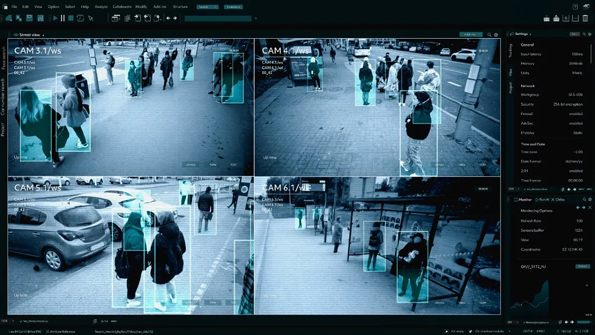
Predictive surveillance: prevention is the best treatment (for suppression)
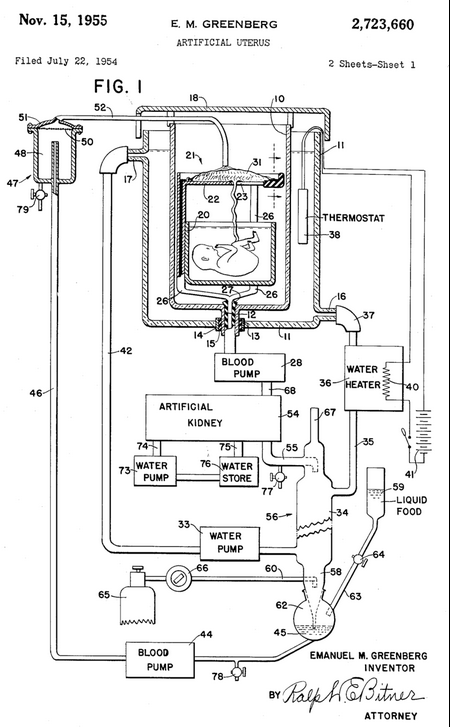
BabiesLab Ltd

Realities from production line and experiences by order

not the water!!!
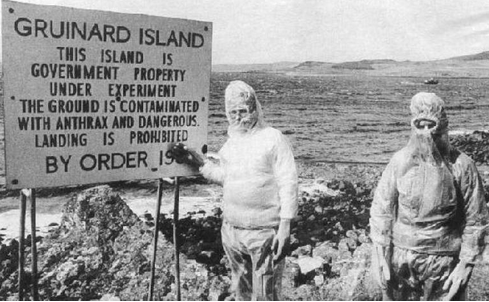
militarized biopolitics: a development that many would prefer to ignore (and professional demagogues take care to hide)
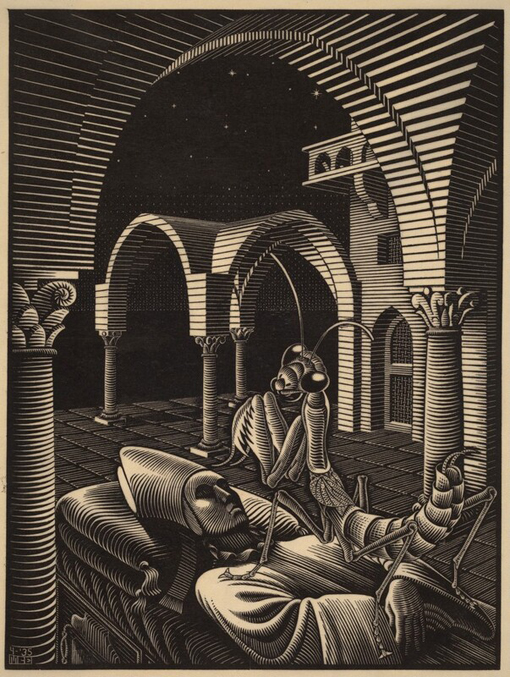
Hush, hush, time to be sleepin’ // Hush, hush, dreams come a-creepin’